








For years, the success of an event was often measured by one number: attendance.
How many people showed up?
How big was the room?
How large was the audience?
But the reality of modern events tells a different story.
The most impactful events today are rarely the largest ones. In fact, the data shows the opposite: smaller, more targeted events are becoming the real drivers of business results.
The data tells the story
In 2025, event professionals organised over 91,000 events using Lyyti, marking a 7% increase year over year. The majority were still live events (72%), followed by online events (23%) and hybrid events (under 5%).
But the real insight lies in the size of these events.
- 84% of events had fewer than 50 participants
- 92% had fewer than 100 participants
- Fewer than 1% exceeded 500 participants
- Only 0.3% had more than 1,000 attendees
In other words, the event industry already operates on a small-scale basis, even if the narrative often focuses on large conferences and flagship events.
Why smaller events work better
There are several reasons why smaller events are gaining importance.
1. Relevance beats reach
Large events are great for visibility, but smaller events allow organisers to focus on the right audience rather than the biggest.
This creates space for:
- deeper conversations
- more tailored content
- stronger relationships
Instead of broadcasting a message to hundreds, organisers can create meaningful interactions with the people who actually matter to the business.
2. Relationship building happens in small rooms
Many B2B decisions involve multiple stakeholders. Smaller events allow teams to bring together the exact people needed to move conversations forward.
According to event leaders interviewed in the report, companies are increasingly investing in targeted events designed for specific customer segments.
This could mean:
- executive roundtables
- small industry workshops
- curated customer dinners
- invite-only seminars
The format may be smaller, but the business impact is often much larger.
3. Attention is becoming scarce
Modern professionals face an overwhelming number of invitations, webinars, newsletters, and meetings.
This means attention has become the most valuable resource.
Smaller events solve this problem by offering something large events struggle with: exclusivity and relevance.
When participants feel the event was designed for them, they are far more likely to attend—and engage.
What this means for event organisers
If you’re planning events in 2026, the key question may no longer be:
“How many people can we reach?”
Instead, the more important question is:
“Who do we want in the room?”
High-performing event teams are shifting toward:
- clear audience segmentation
- smaller, curated groups
- events tied directly to business goals
- closely aligned marketing and sales conversations
In other words, the focus moves from scale to impact.
The future of events is more intentional
Large conferences and flagship events will always have their place. But the everyday work of building relationships, generating pipeline, and strengthening partnerships will increasingly happen in smaller, focused settings.
For event organisers, this is good news.
Because when events are smaller, they become easier to design with intention — and that’s where the real value lies.
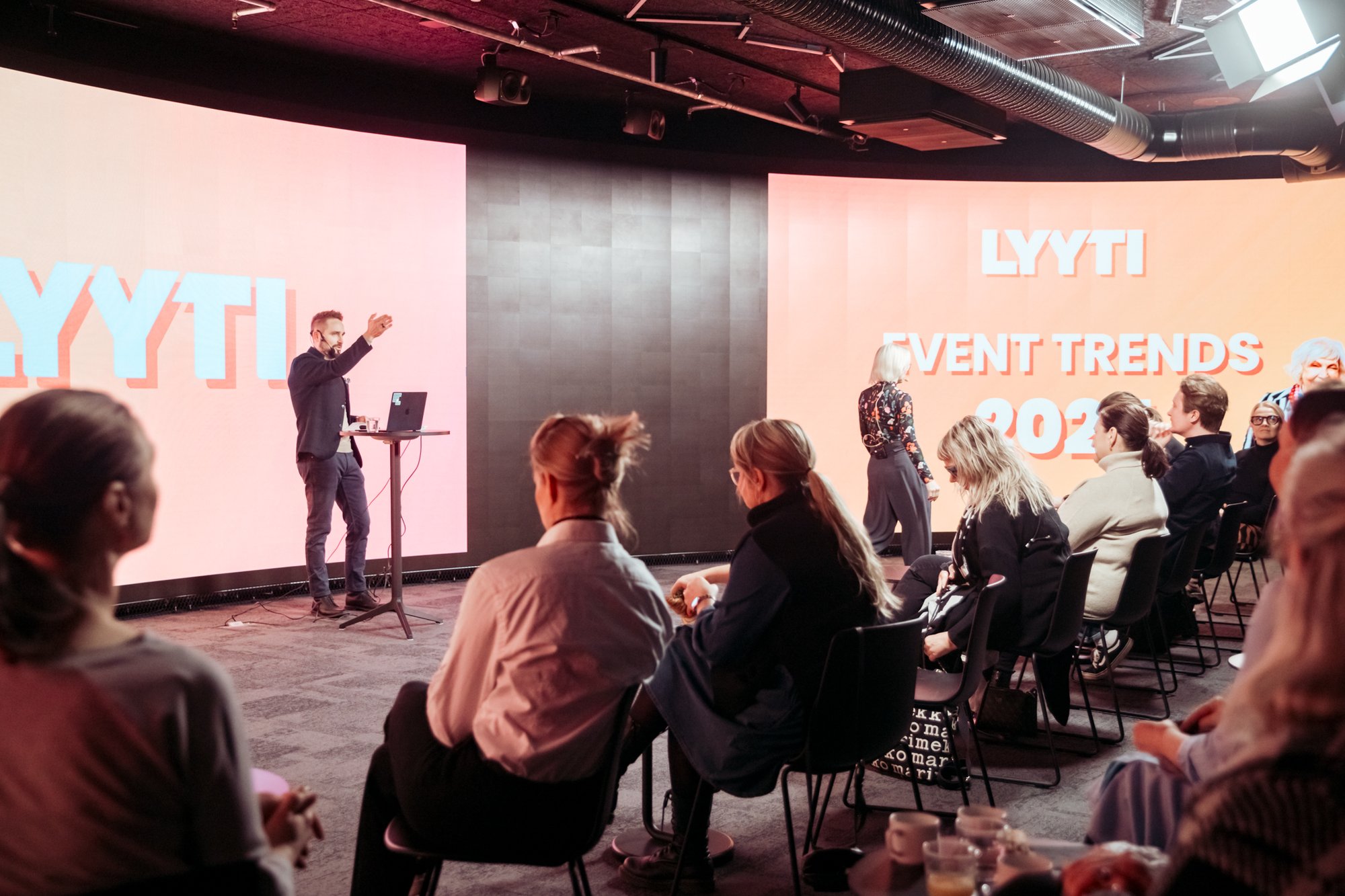
Read more about 2026 event trends in our report. Download your copy below.
Small and local events – who they are for and why you should have them

How small event organisers can draw inspiration from event giants
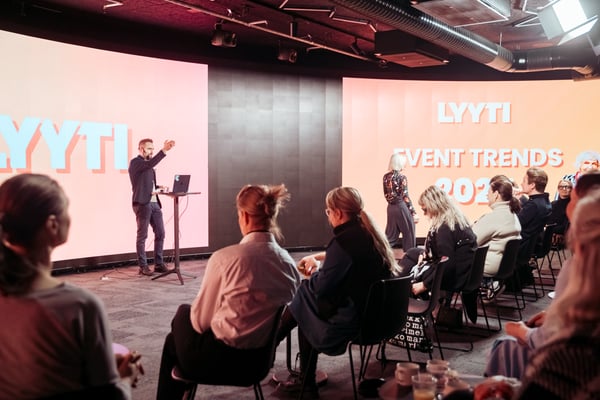
Event trends report: why smaller, better-timed events win in 2026

Event Planning Tips: 12 Proven Strategies for Smooth Events (2026)